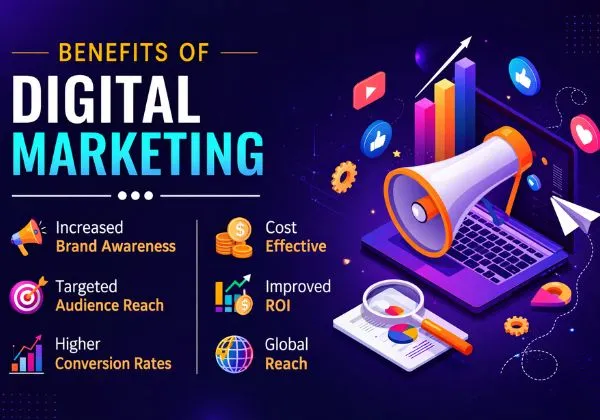
In today’s fast-paced digital world, the way businesses connect with customers has changed completely. Traditional marketing methods like newspaper ads, billboards, and flyers still exist, but they no longer deliver the reach, precision, or measurable results that modern businesses need. This is where digital marketing becomes a game-changer.
Understanding the benefits of digital marketing is essential for any business that wants to grow, stay competitive, and build long-term customer relationships. Whether you are a startup, a local business, or an established brand, digital marketing offers powerful tools to reach the right audience at the right time. Let’s explore how digital marketing helps modern businesses succeed.
What Is Digital Marketing?
Digital marketing refers to promoting products or services using online channels such as search engines, websites, social media platforms, email, and paid advertising. It focuses on reaching customers where they spend most of their time today—online. Unlike traditional marketing, digital marketing allows businesses to track performance, target specific audiences, and optimize campaigns in real time.
1. Cost-Effective Marketing with Higher ROI
One of the most significant benefits of digital marketing is its affordability compared to traditional advertising. Running TV or print ads often requires a large budget, which is not feasible for many small and medium-sized businesses.
Digital marketing allows businesses to:
Start with small budgets
Scale campaigns based on performance
Focus spending only on interested audiences
Because every campaign can be measured, businesses can see exactly where their money is going and which strategies generate the best return on investment (ROI).
2. Reach the Right Audience at the Right Time
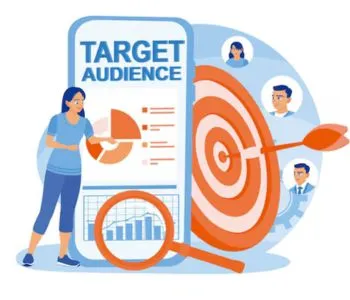
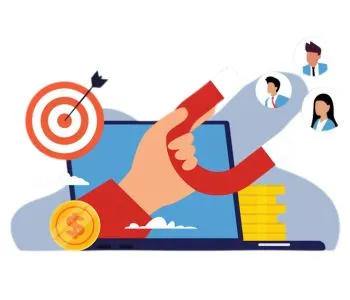
Digital marketing enables precise targeting. Instead of marketing to everyone, businesses can focus on people who are most likely to convert.
With digital tools, you can target users based on:
Location
Age and gender
Interests and behavior
Search intent
For example, someone actively searching for a product on Google is far more likely to convert than someone who sees a random advertisement. This makes digital marketing highly effective and results-driven.
3. Improved Brand Visibility and Awareness
Modern customers research brands online before making decisions. If your business is not visible on search engines or social media, you risk losing potential customers to competitors.
Digital marketing helps businesses:
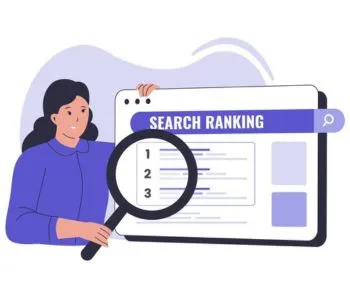
Appear on Google search results
Stay active on social media platforms
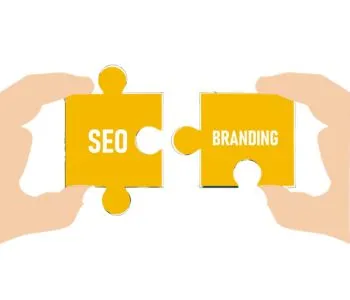
Build consistent brand messaging
Over time, this visibility builds trust and recognition, making customers more likely to choose your brand when they are ready to buy.
4. Measurable and Data-Driven Results
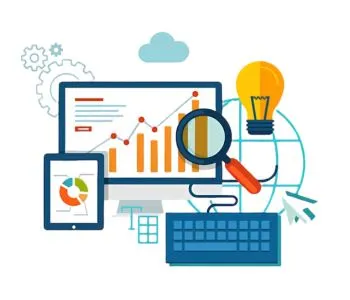
Unlike traditional marketing, digital marketing allows you to track everything. From website visits to lead conversions, every action can be measured.
Businesses can analyze:
Traffic sources
User behavior
Conversion rates
Campaign performance
This data helps marketers make informed decisions, improve strategies, and eliminate guesswork. Continuous optimization ensures better performance over time.
5. Stronger Customer Engagement
Digital marketing allows two-way communication between businesses and customers. Instead of just promoting products, brands can interact, educate, and build relationships.
Through channels like social media, email marketing, and content marketing, businesses can:
Answer customer questions
Share valuable insights
Collect feedback
Build brand loyalty
Engaged customers are more likely to trust your brand and become repeat buyers.
6. Better Conversion Rates
Another key benefit of digital marketing is its ability to convert prospects into customers more efficiently. With strategies like SEO, PPC, and email marketing, businesses can guide users through the buying journey.
Optimized landing pages, clear calls-to-action, and personalized messaging significantly improve conversion rates. When users find relevant content that solves their problems, they are more likely to take action.
7. Global and Local Reach
Digital marketing gives businesses the flexibility to target local customers or expand globally. A local business can focus on nearby customers, while an online brand can reach audiences across countries.
This adaptability allows businesses to:
Grow beyond physical boundaries
Enter new markets
Scale operations effectively
Even small businesses can compete with larger brands by using smart digital strategies.

8. Builds Long-Term Business Growth
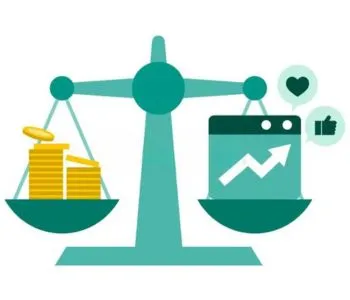
Digital marketing is not just about quick results; it also supports long-term growth. Strategies like search engine optimization (SEO) and content marketing continue to generate traffic and leads over time.
Well-optimized blogs, strong website content, and organic search visibility help businesses create a sustainable online presence that delivers value long after campaigns are launched.
Why Digital Marketing Is Essential for Modern Businesses
Today’s consumers are online, informed, and selective. They expect brands to be accessible, transparent, and responsive. Digital marketing meets these expectations while providing businesses with powerful tools to compete and grow. The benefits of digital marketing go beyond visibility—it helps businesses understand customers better, improve decision-making, and create meaningful connections that drive success.