
Creating a successful online presence does not happen by accident. It requires a clear plan, the right tools, and a strong understanding of your audience. This is where a well-defined digital marketing strategy becomes essential. Whether you are launching a new business or trying to improve existing results, building a strategy from scratch gives you direction, consistency, and measurable growth.
This guide will walk you step by step through the process of creating a digital marketing strategy that is practical, scalable, and focused on real business outcomes.
What Is a Digital Marketing Strategy?
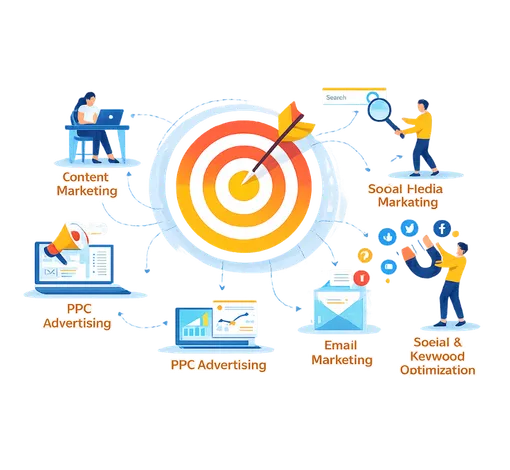
A digital marketing strategy is a structured plan that outlines how a business will use online channels to achieve its goals. These goals may include increasing website traffic, generating leads, improving brand awareness, or driving sales.
Unlike random marketing efforts, a strategy aligns every action—SEO, content, social media, paid ads—with a clear purpose and target audience.
Define Clear Business Goals
Every effective digital marketing strategy starts with clear objectives. Without defined goals, it becomes difficult to measure success or make informed decisions.
Key areas of expertise include:
Ask yourself:
Do you want more website traffic?
Are you focused on lead generation?
Is your goal brand awareness or online sales?
Make sure your goals are specific, measurable, and realistic. For example, instead of saying “increase traffic,” aim for “increase organic traffic by 30% in six months.”


Understand Your Target Audience
Knowing your audience is the foundation of any strong digital marketing strategy. You need to understand who your ideal customers are, what problems they face, and how they search for solutions online.
Consider factors such as:
Age, location, and profession
Online behavior and preferences
Search intent and pain points
Creating buyer personas helps you tailor content, messaging, and campaigns that resonate with the right people.
Research Keywords and Search Intent
Keyword research is a critical part of building a digital marketing strategy. It helps you understand what your audience is searching for and how competitive those terms are.
Focus on:
Primary keywords related to your services
Long-tail keywords with clear intent
Informational and transactional search queries
Aligning your content with user intent improves search visibility and drives more qualified traffic to your website.


Build a Strong Website Foundation
Your website is the central hub of your digital marketing strategy. No matter how good your campaigns are, they will fail if your website is slow, confusing, or poorly structured.
Make sure your website:
Loads quickly
Is mobile-friendly
Has clear navigation
Uses SEO-friendly URLs and headings
Offers valuable and relevant content
A strong website improves user experience and supports better search rankings.
Create High-Quality Content
Content is what attracts, educates, and converts users. A well-planned content strategy supports long-term growth and builds trust with your audience.
Your content can include:
Blog posts
Service pages
Case studies
Videos
Social media posts
Focus on solving real problems, answering common questions, and providing actionable insights. Consistent, helpful content strengthens your digital marketing strategy and boosts organic visibility.

Choose the Right Digital Channels
Not every platform is right for every business. A smart digital marketing strategy focuses on channels where your audience is most active.
Common channels include:
Search engines (SEO)
Social media platforms
Email marketing
Paid advertising (Google Ads, social ads)
Start with a few core channels, master them, and expand gradually. This prevents wasted effort and improves efficiency.
Implement SEO as a Long-Term Asset
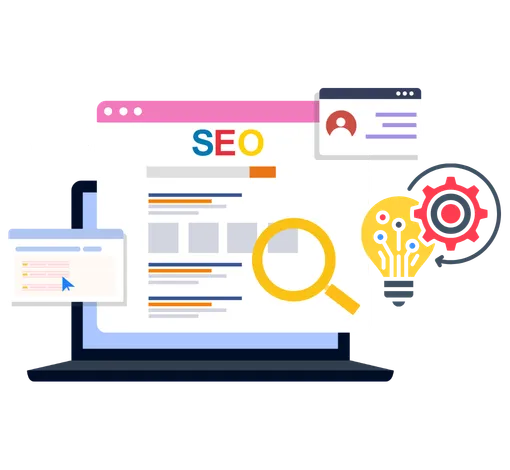
Search engine optimization plays a major role in any sustainable digital marketing strategy. SEO helps your website rank organically, bringing consistent traffic without paying for every visit.
Key SEO activities include:
On-page optimisation
Technical improvements
Content optimisation
Internal linking
Local SEO (if applicable)
SEO takes time, but the long-term benefits make it one of the most valuable digital marketing investments.

Track Performance and Use Analytics
A digital marketing strategy must be data-driven. Tracking performance helps you understand what is working and what needs improvement.
Monitor metrics such as:
Website traffic
Bounce rate
Conversion rate
Keyword rankings
Lead sources
Analytics allow you to make informed decisions and continuously optimize your strategy.
Optimise and Scale Gradually
Digital marketing is not a one-time task. A successful digital marketing strategy evolves with data, trends, and business growth.
Regularly:
Update content
Refine keywords
Improve underperforming pages
Test new ideas
Small improvements over time lead to significant long-term results.


Common Mistakes to Avoid
When building a digital marketing strategy from scratch, avoid:
Trying too many tactics at once
Ignoring SEO fundamentals
Focusing only on short-term results
Skipping performance tracking
A clear, focused approach always delivers better outcomes.
