Let's strip away all the AI habits. No fake slang injections, no structured rhythm, just how a business owner actually vents about this stuff when they're talking to someone over a coffee or in a quick voice note:
Doing website stuff yourself is a trap. You think it'll take just ten minutes. Then everything breaks. Now you're stuck in the code, nothing works no matter how much you try, and you're wasting half your time trying to fix it when you should be actually dealing with clients or making sales.
That's why people just hand it over to an agency. Hiring an in-house developer for random tweaks is a waste of money.
The point isn't even about finding the cheapest dev shop out there. It’s just understanding if hiring them really means you can finally stop stressing about tech breakdowns, or if they're just gonna give you a whole new headache to manage.
What does outsourcing website design and development actually mean
Let’s completely drop the textbook tone, the clean bullet points, and the neat little examples.
Outsourcing only means you let an outside team handle tech support for your own company.
Why burn time and money hunting down a full-time designer, dev, and tech guy, then babysitting all three, when you can just hand it over to an outside team when needed?
If your marketing person is great at running ads but can't write a line of code, paying a developer a full monthly salary just to touch the site every few weeks makes zero sense. You just hand those tasks to an outside crew when they pop up. Or if you need a total site redesign from scratch, you pass the whole project to an external team so your internal staff isn't splitting their brain between their actual jobs and fixing broken web pages.
Could be a one-off project, could be a monthly retainer.
Why do business owners consider outsourcing?
Time is usually where everything falls apart.
You know your site's falling apart, but you're already drowning in work. And if you can't read code, trying to fix it yourself is just asking for a migraine. But who has the cash to hire a full-time designer, dev, AND security guy just to sit around?
That's why people offload this stuff. You buy the exact skills you need, right when you need them, without accidentally creating a second full-time job for yourself.
If you run a plant, your head needs to be on machinery and shipments. Period. If you run a service company, you ought to be out closing deals and taking care of clients. And if you're building a startup? You've already got fifty other fires to put out every morning.
The website still has to perform, sure. But it shouldn't be eating up half your workday to keep it online.

Will outsourcing really help the main business?
It definitely can. As long as someone’s actually steering the ship properly.
Think about how much time gets wasted when you're spending hours every single week decoding cryptic error messages or sitting around waiting three days just to get a basic text edit done. That time has a cost even if there is no separate website bill attached to it.
The benefit is not simply "having a website."
The benefit is actually having someone to take responsibility for the website work while the business owner concentrates on other activities that directly require their involvement.
The website still needs direction from the business. Outsourcing does not mean you have to hand over every decision.
What should you outsource and what should you keep in-house?
This depends on your business.
You should generally keep decisions that require deep knowledge of your customers and business under your control.
For example, you know:
Which products or services are most important
What your customers usually ask
Which markets you want to target
What makes your business different
Which business goals matter this year
Thaver Tech's website design services include static, dynamic, responsive, and custom website design, website redesign, and ongoing maintenance. Its development services also include web and customized applications, CMS/CRM solutions, ecommerce platforms, and mobile applications.

What if I already have a website?
You do not need to build a new website at all.
Maybe your existing website simply needs to be improved a bit.
Perhaps its design looks outdated since times are changing so fast. Or maybe your website is difficult to use on mobile. Your employees cannot easily update content. Or new business requirements have appeared since the website was originally built.
Tearing down an entire site when only a few pages are messed up is just throwing money away.
Make any developer inspect what you already have first and prove to you what actually needs replacing. You should remember that it is the right approach.
What should a business owner ask before outsourcing?
Anyone can put together a flashy showcase with six pretty screenshots, but that tells you absolutely nothing about whether their code is a mess, whether they’ll ghost you halfway through the project, or if the site will crash the second real visitors hit it.
Instead of just staring at pretty pictures, you need to push them on how things are actually going to work day-to-day.
Start with the person running the show. You need to know if you're getting a direct point of contact who actually answers your calls and keeps you updated.
Then, make them spell out every single thing included in the price. Don't let them fool you with sophisticated terms only. Ask them that does this cover everything you need, including fixing bugs afterward?
You also have to think about what happens after they hand it over to you. If you're constantly making changes to products, you can't be paying a developer per hour just to fix a typo.
And honestly, check who actually owns all the accounts. So many people get screwed over here without realizing it. They try to switch agencies or update something a year later, only to find out the dev registered the domain, the host, or the website tools under their own personal email.
You end up trapped. Make sure every single login and admin access is in your name from day one, no exceptions.
If you scale up, add new products, or need to connect new software, can this setup actually handle it? Or did they build some cheap, rigid thing that’s gonna fall apart the moment you try to expand?

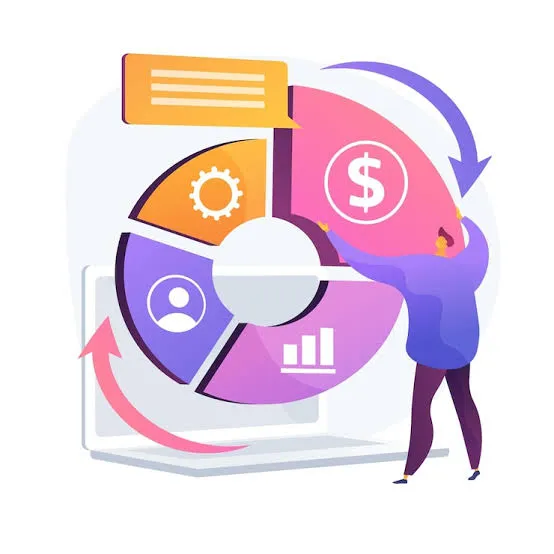
Can outsourcing affect business turnover?
A website by itself isn't going to magically double your revenue.
Making money comes down to a million different moving parts you know. And a website can't fix a broken business model.
What a solid website can do, though, is make all those other things run smoother.
If it's designed right, a potential client can actually figure out what you do easily and send an inquiry. If you're selling products, it gives people a seamless way to pay you online. If you offer complex services, it answers basic questions so leads aren't wasting your sales team's time asking obvious stuff on the phone.
The real goal should be: "Let's build a site that actually fits how our business operates and sells every day." That's the only way you should be measuring whether the project was worth the money or not.
What does a good outsourcing relationship look like?
Leaving a brief on someone's desk and ghosting until launch day never works out. You can't just throw money at an agency and hope they somehow guess how your entire business operates.
At the end of the day, you're still the one who has to hand over the actual details, double-check the copy, sign off on the big stuff, and explain how your customers actually buy. They write the code and handle the tech, but you've still got to be in the room giving direction.
And get the revision rules sorted out before anyone writes a single line of code. The second every little tweak or feedback round turns into an argument over what was originally in the contract, both sides get frustrated fast, and the project just completely stalls out.
Before development starts, document the main requirements.
For example:
What the website needs to achieve
Who the target customers are
Required pages and functions
Design preferences
Required integrations
CMS requirements
Mobile requirements
SEO considerations
Launch requirements
Maintenance and support expectations
This gives both sides something concrete to work from.
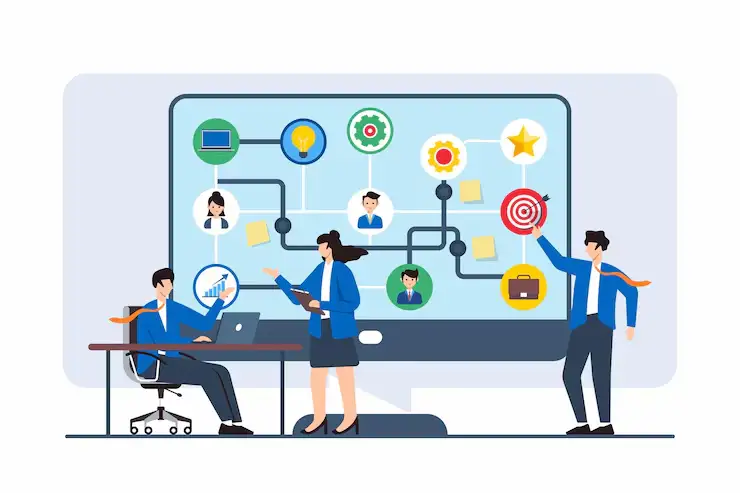

What about long-term growth?
This is where business owners should think beyond the first version of the website.
You may have 20 products today and 200 later. You may start with a basic enquiry form and later need CRM integration. If you initially operate in one market and later expand your business. Your website will eventually need so much more than it already has.
You do not need to build all of these things today.
Thaver Tech’s development services cover customized web applications, ecommerce, CMS/CRM, ERP and mobile applications, alongside third-party integrations and post-launch support.
For a growing company, having a development partner that can handle more than one type of requirement can reduce the need to start the entire vendor-selection process again every time the business needs a new digital solution.
Is a website design and development company worth outsourcing to?
Outsourcing can definitely be a lifesaver, especially when trying to manage a website is sucking up hours you should be spending on your actual core business.
But it only works if you set it up right.
Outsourcing just to wash your hands of the site entirely is a trap. You can’t just turn your brain off; you still need someone on your end who knows the business inside out and can make quick calls when needed. It’s to farm out the tedious technical grunt work so your own people can stick to what they’re actually good at.
That's where a full-service team comes in. For instance, Thaver Tech handles the full technical spectrum. Everything from web design and custom web development to building e-commerce stores, setting up CMS/CRM solutions, and developing custom applications.