SEO stands for Search Engine Optimization. It is the process of improving a website and its content so search engines can understand it better and show its pages to people searching for relevant information, products, or services.
For a business, SEO is less about putting keywords everywhere and more about making sure the right pages can be found, understood, and considered useful by search engines and users.
If someone searches for “digital marketing company in Delhi NCR,” for example, Google has to decide which pages are relevant to that query and which results should appear. SEO helps a business build pages that are easier for search engines to discover and understand.
What Is SEO and Why Does It Matter?
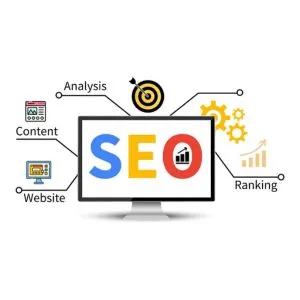
SEO involves several areas of website improvement, including content, technical setup, website structure, internal links, page experience, and how clearly a page addresses a user's Search.
The basic goal is simple: help the right people find the right page through organic Search.
Organic Search means unpaid search results. This is different from paid advertising, where a business pays to place an advertisement in search results.
SEO can be useful for a local business in Delhi NCR, an ecommerce store, a startup targeting customers across India, or a company selling services internationally. The approach may differ, but the underlying objective remains the same: connect useful content with relevant searches.
How Does Google Search Actually work?
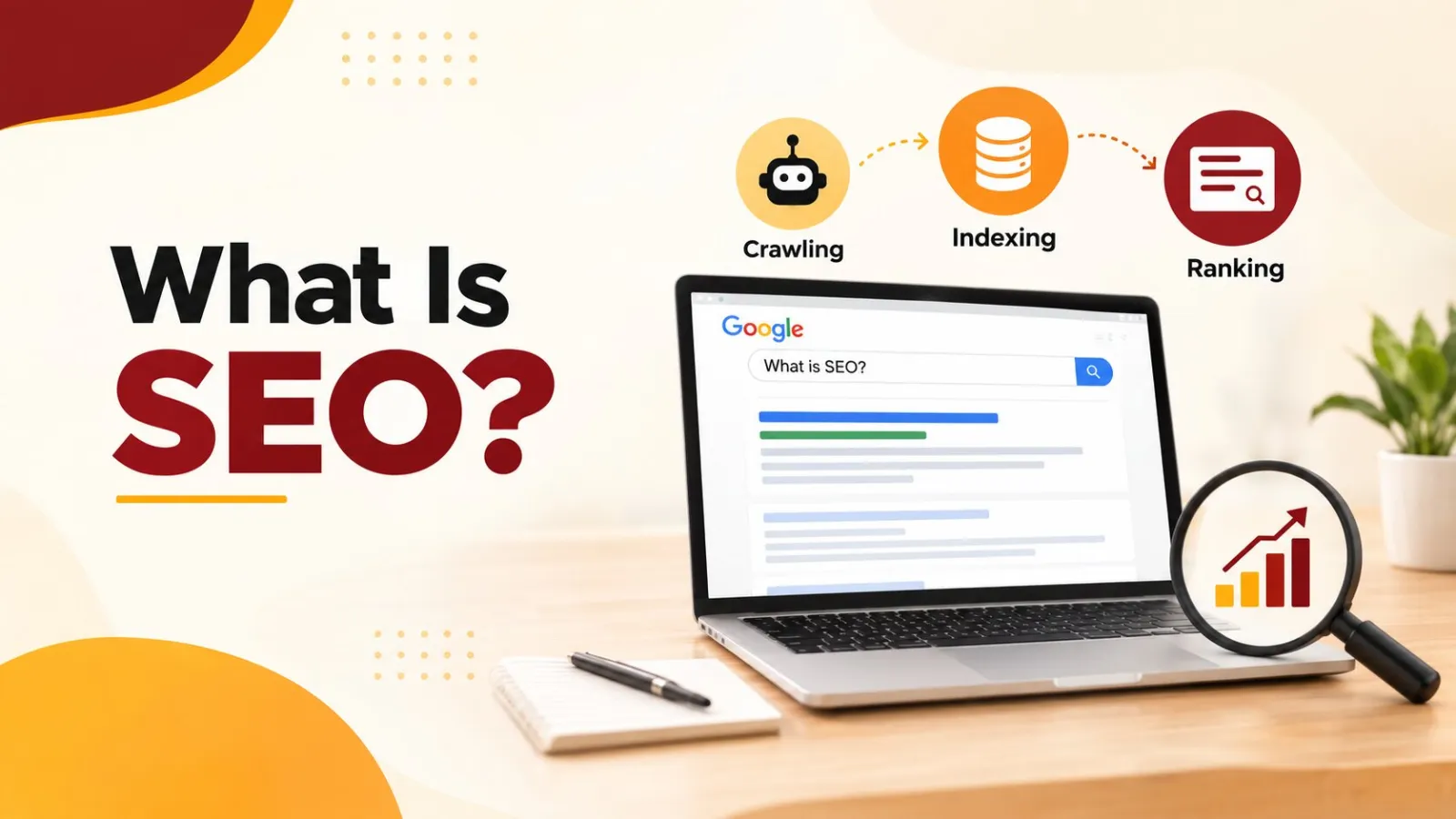
Google describes Search in three main stages: crawling, indexing, and serving search results.
Understanding these stages makes SEO much easier to understand.
1. Crawling: Google Finds Your Pages
Google uses automated software called crawlers to discover pages across the web. Googlebot can find URLs through links, sitemaps, and other known pages. It then visits accessible pages to understand their content.
Imagine you publish a new service page on your website.
Google may discover that page through an internal link from another page or through your sitemap. If the page is accessible to the crawler, Google can then fetch and process it.
This is one reason website structure matters. A useful page that is difficult for search engines to discover can struggle to enter the search index.


2. Indexing: Google Understands and Stores the Page
After crawling a page, Google analyzes its content. This can include text, images, videos, title information, and other page elements.
Google also considers whether a page is a duplicate of another page and may select a canonical version when similar pages exist. Not every page Google crawls is guaranteed to be indexed.
For example, suppose a company has separate pages about its SEO services, SEO packages, and SEO solutions. If those pages contain almost identical information, search engines may have difficulty determining which page should represent the topic.
Good website organization and useful, distinct content can make this easier.
3. Ranking and Serving Results
When someone searches, Google's systems look through its index and select results that are relevant to the query.
Google says its ranking systems use many signals to determine which results are most relevant and useful for a particular search. Factors can include the user's location, language, and device, along with signals related to the pages themselves.
This is why there is no single SEO trick that guarantees a particular position.
A page can be indexed but still receive little organic traffic because another page may be more relevant to the searcher's needs.
What Are the Main Paerts of SEO?
SEO is usually discussed in several connected areas.


On-Page SEO
On-page SEO focuses on elements you can improve directly on your website.
This includes:
• Useful and relevant content
• Clear page titles and headings
• Natural use of relevant search terms
• Internal linking
• Descriptive URLs
• Helpful image alt text
• Content that directly answers the user's question
For example, a page targeting “SEO company in Delhi NCR” should explain the subject clearly rather than simply repeating that phrase dozens of times.
The content should help someone understand what SEO involves, what they should expect, and what questions they should ask before making a business decision.
Technical SEO
Technical SEO deals with the parts of a website that affect crawling, indexing, accessibility, and how search engines interpret the site.
This can include website structure, robots.txt, XML sitemaps, canonical URLs, redirects, mobile usability, page performance, and JavaScript implementation.
Google specifically recommends making websites secure, accessible, usable across devices, and technically understandable to search engines.
Technical SEO is particularly important when a website has many pages or has recently undergone a redesign.

Off-Page SEO
Off-page SEO generally refers to activities outside your own website that can contribute to how your site is understood and discovered.
Links from other websites are one part of this area. But the practical objective should not be collecting as many links as possible. The quality, relevance, and context of references matter.
For a business, building useful resources, earning relevant mentions, publishing genuinely valuable information, and maintaining a credible online presence can be more meaningful than chasing large numbers of low-quality links.
Local SEO
Local SEO matters when customers search for businesses in a particular location.
A business serving Delhi NCR, for example, may want to appear for searches involving Delhi, Gurugram, Noida, Faridabad, or nearby areas, depending on where it actually operates.
Local search visibility involves accurate business information, relevant website content, local signals, and a properly managed Google Business Profile.
The exact search results can also vary based on the searcher's location. Google notes that location can influence the results it serves for a query.


How Keywords Fit Into SEO
Keywords are still useful because they help identify what people are searching for and what a page is about.But modern SEO should not be treated as a keyword placement exercise.
Consider two pages:
Page A: Uses the phrase “website development company in Delhi NCR” twenty times but provides little useful information.
Page B: Uses the phrase naturally while explaining website development services, project requirements, technology considerations, costs, timelines, and questions businesses should ask.
Page B gives the visitor much more useful information.
The better approach is to understand the search intent behind a keyword. Is the person looking for information, comparing options, trying to find a local business, or ready to buy something?
The page should match that intent.
How Long Does SEO Take to Show Results?
SEO rarely works like an advertising campaign where you immediately see traffic after launching an ad.
Google states that changes can take anywhere from a few hours to several months to be reflected in search results, depending on the change and other factors.
This is why businesses should avoid promises of instant rankings.
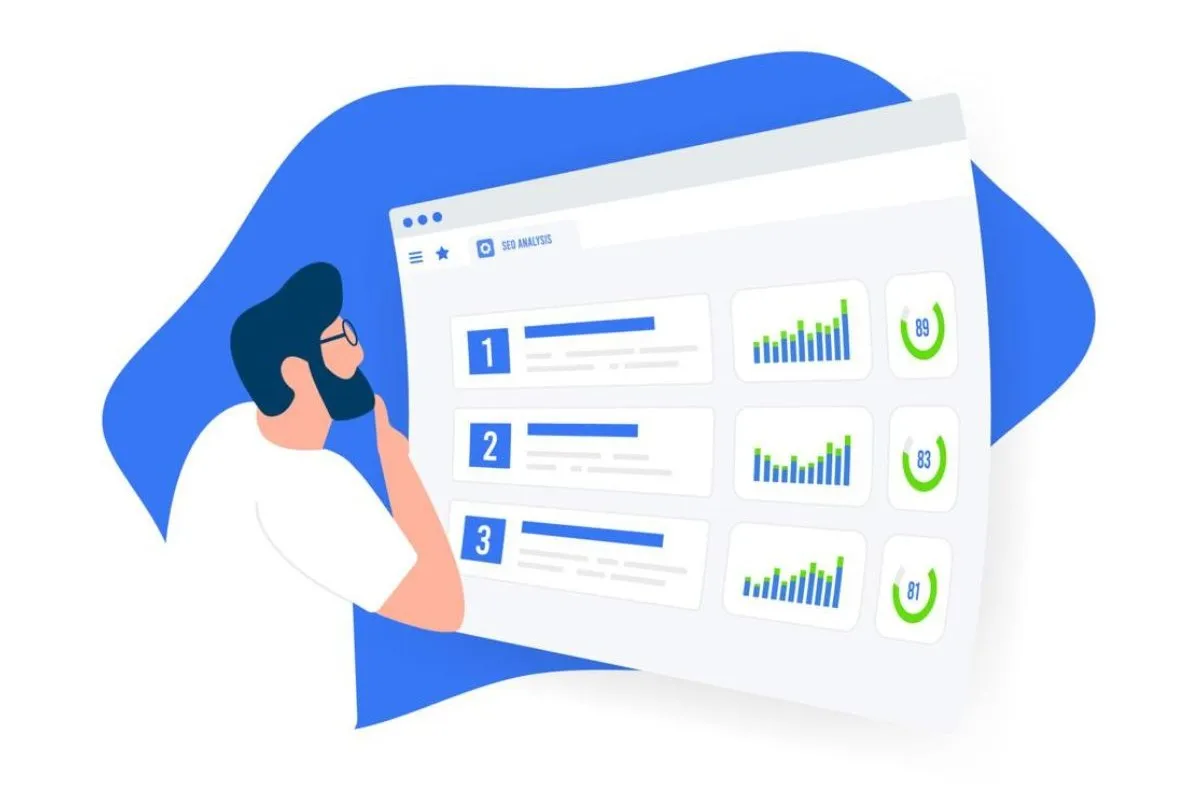
A sensible SEO process involves publishing useful content, fixing technical problems, improving existing pages, monitoring search performance, and making changes based on what the data shows.
Google Search Console can help website owners understand how their pages perform in Google Search and identify certain crawling and indexing issues.


What Should a Business Check Before Investing in SEO?
Before starting an SEO campaign, look at the website itself.
Ask a few practical questions:
Is the website easy to navigate?
Can important pages be discovered by search engines?
Does each important service or product have a useful page?
Does the content actually answer customer questions?
Are there technical issues preventing crawling or indexing?
Are visitors arriving on pages that match what they searched for?
Are you measuring meaningful outcomes rather than rankings alone?
These questions are more useful than simply asking how many keywords an SEO provider can rank.
For businesses that need SEO alongside website development and other digital services, Thavertech lists Search Engine Optimization as part of its digital services. Its website also describes its wider work across website creation, development, design, and digital marketing.
SEO becomes much easier to understand once you stop thinking of Google as a simple list of websites. Search engines first need to discover a page, then understand and index it, and finally determine how relevant it is for a particular search.
